Summer · Masai Mara
The Great Migration in the Masai Mara
From roughly July to October the herds of the Serengeti spill north into Kenya's Masai Mara. What drives them, where the river crossings happen and how to watch without crowding them.
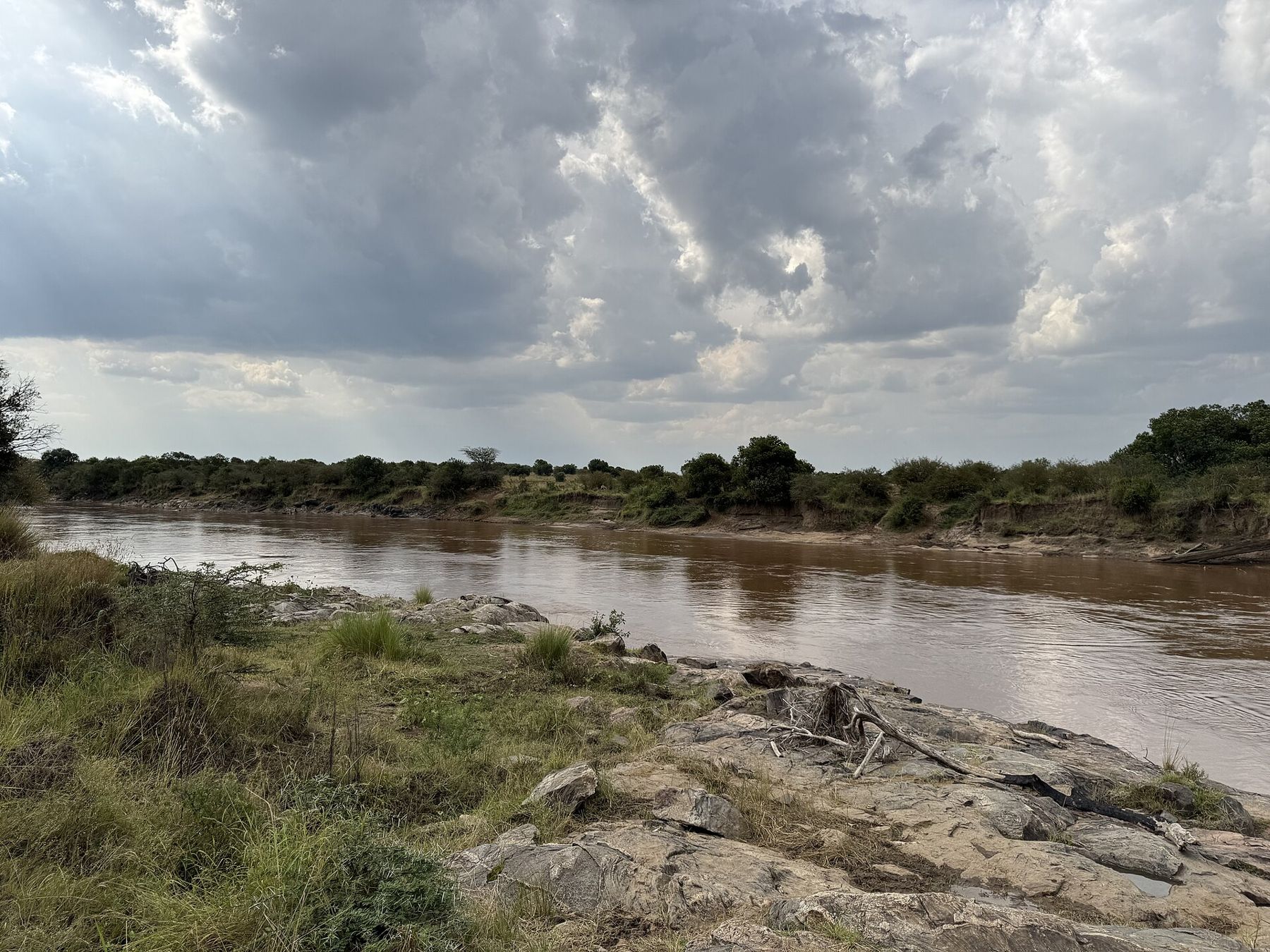
The Masai Mara is the northern end of a single great ecosystem. South of the Kenyan border it becomes the Serengeti of Tanzania, and across that whole region roughly a million and a half wildebeest, joined by hundreds of thousands of zebra and gazelle, move in a vast loop through the year. They are following rain and the fresh grass it brings. In the dry months of the northern summer, the Mara holds some of the last good grazing, and the herds come north to find it.
No one decides the timetable. The herds respond to rainfall, which shifts from year to year, so any month quoted for the migration is a rough average, not a promise. Treat what follows as the usual pattern, and check recent reports before you commit to dates.
The shape of the year
Early in the year the wildebeest are far to the south, on the short-grass plains of the southern Serengeti, where most calves are born within a few weeks of each other. Births bunched that tightly overwhelm the predators: lions and hyenas cannot take more than a fraction of the young before the rest are strong enough to run. As the plains dry out, the herds drift west and north. They usually begin reaching the Masai Mara around July, spread across its grasslands through August and September, and turn south again when the short rains return, often around October or November.
Zebra and wildebeest travel together for good reasons. Zebra crop the longer, coarser grass, which opens up the shorter shoots that wildebeest prefer. Both species gain from more eyes and ears watching for lions. Watch a mixed herd for an hour and you will see how often the zebra are at the front, nosing towards water before the wildebeest commit.
The Mara River crossings
The scenes most people come for happen at the Mara River, which winds through the reserve with steep banks and pools full of hippos. Grazing lies on both sides, and the herds cross back and forth, sometimes several times in a season. A crossing can take minutes or hours to begin. Animals gather on the bank in their thousands, edge down towards the water, turn back, regroup. Then one animal jumps, and the rest follow in a rush that churns the river brown.
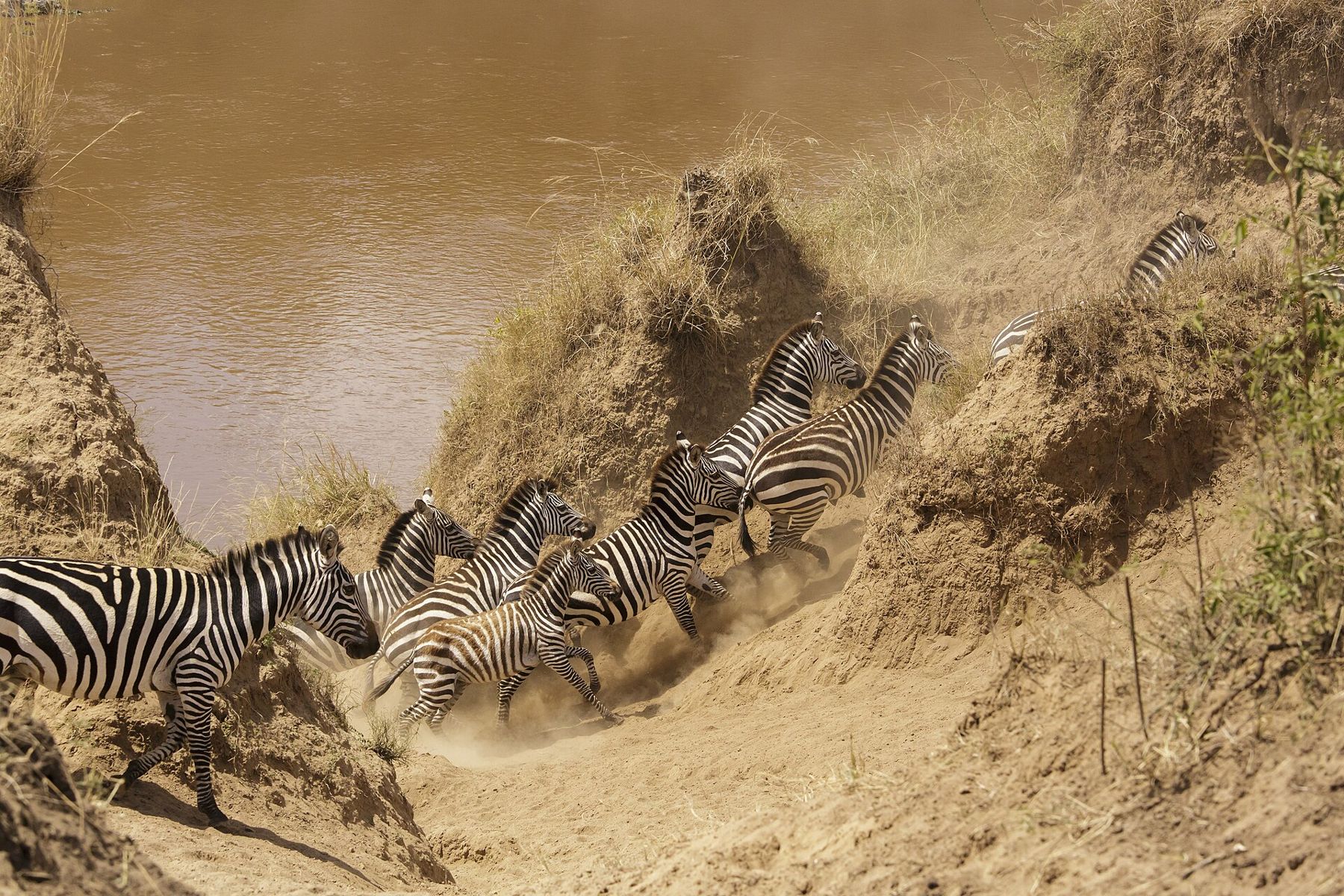
Nile crocodiles wait in the shallows, and some animals drown in the crush or break legs on the banks. It is hard to watch, and it is the reason the crossings matter: the river is a filter, and the fish, crocodiles, vultures and storks downstream depend on what it takes. Not every visitor sees a crossing. You may wait a full day at a bank and watch the herd walk away. Plan enough days that one quiet day does not ruin the trip.
Then one animal jumps, and the rest follow in a rush that churns the river brown.
Reserve and conservancies
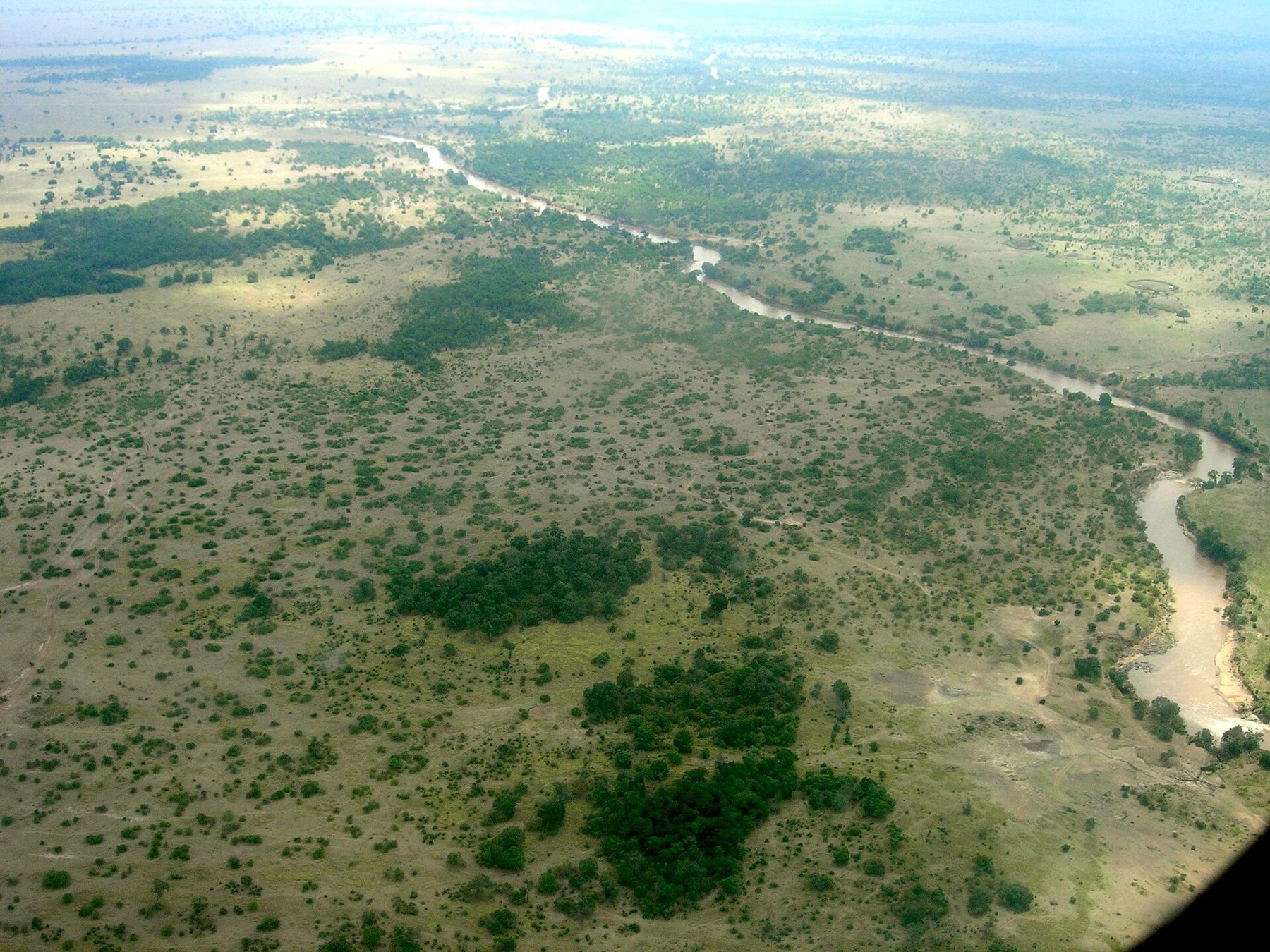
The Masai Mara National Reserve is the protected core, and the western part beyond the river, known as the Mara Triangle, is managed separately. Around the reserve lie a number of community conservancies, land owned by Maasai families and leased for wildlife tourism. The arrangement gives landowners a direct income from keeping their land open to wildlife rather than fencing or farming it.
Conservancies often limit the number of vehicles at a sighting and the number of beds on their land, which can mean quieter game viewing. Some allow activities the main reserve does not, such as guided walks or night drives. Many visitors divide their time between a conservancy and the reserve, using the reserve for the river crossings and the conservancy for calmer days. Rules, fees and which activities are allowed differ from place to place and change over time, so check current arrangements before you go.
The rest of the cast
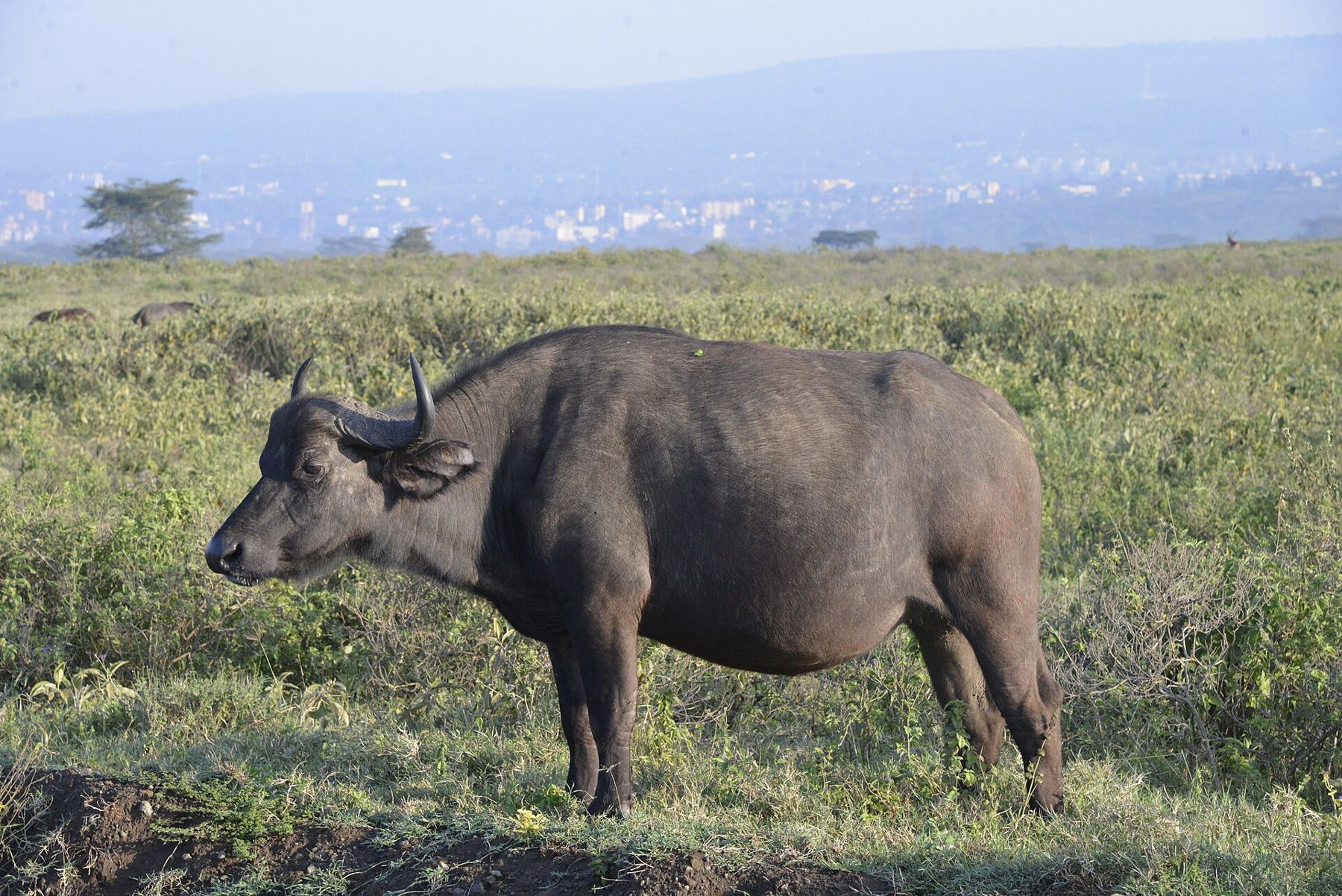
The herds are only part of the picture. The Mara holds lions, leopards, cheetahs, spotted hyenas, elephants and large herds of African buffalo, along with topi, eland and giraffe. Predators often time their own movements to the herds, and a pride may settle near a crossing point for weeks. Even outside the migration months the reserve is rich in resident wildlife, which is worth knowing if your dates cannot match the herds.
Reading a crossing
Guides who know the river read the signs long before anything happens. A herd that has been grazing steadily towards the water, then bunches tightly on the bank, is often close to committing. Animals that drink, retreat and drink again are testing the water and watching the far side. Vultures circling a bend may mark a crossing point used earlier in the day. None of this is certain, and herds often lose their nerve at the last moment and stream away along the bank in search of an easier place. The waiting is part of the experience: the dust, the noise of thousands of animals calling, and the tension as the front ranks edge down the slope.
Light matters too. Crossings can happen at any hour, but mornings and late afternoons give softer light and cooler conditions for everyone, animals included. Bring water and patience, and a guide willing to sit and wait rather than chase the next radio report.
Watching with care
The busiest crossing points draw large numbers of vehicles in peak season, and crowding is a real welfare problem. When vehicles line the far bank, or block the paths animals use to climb out, herds may abandon a crossing, or bunch up in ways that cause more injuries. Good guides keep back, switch off engines and leave the exit routes clear. Ask about this before you book, and support it in the field even when it means a less close view.
- Stay in the vehicle unless your guide says otherwise; animals read the vehicle as a shape, not a person.
- Off-road driving is restricted in much of the reserve, and the rules exist to protect the grassland.
- No drones near wildlife, and no calls or noises to make animals look up.
- Keep voices low at sightings; a hushed vehicle often sees more.
Planning the trip
Most people reach the Mara by light aircraft from Nairobi, landing at one of several airstrips in or near the reserve. The road journey is long and rough in places but shows the change from highland farmland to open savannah. Days start early, because the first hours of light are when predators are most active and the heat has not yet set in. Bring a dust cover for your camera, a hat, layers for cold mornings and evenings, and clothing in neutral colours.
In the same months, brown bears gather to fish for salmon on the Brooks River in July; the two make an interesting contrast in how predators exploit a predictable glut of food. Further south and later in the year, the ocean has its own version of a mass journey, from the red crab migration on Christmas Island to the whales that return to the Western Cape each spring.