Autumn · Scotland
The red deer rut in the Highlands
In autumn the glens of the Scottish Highlands fill with the roaring of red deer stags. A guide to the rut, when it happens and how to watch it safely and quietly.
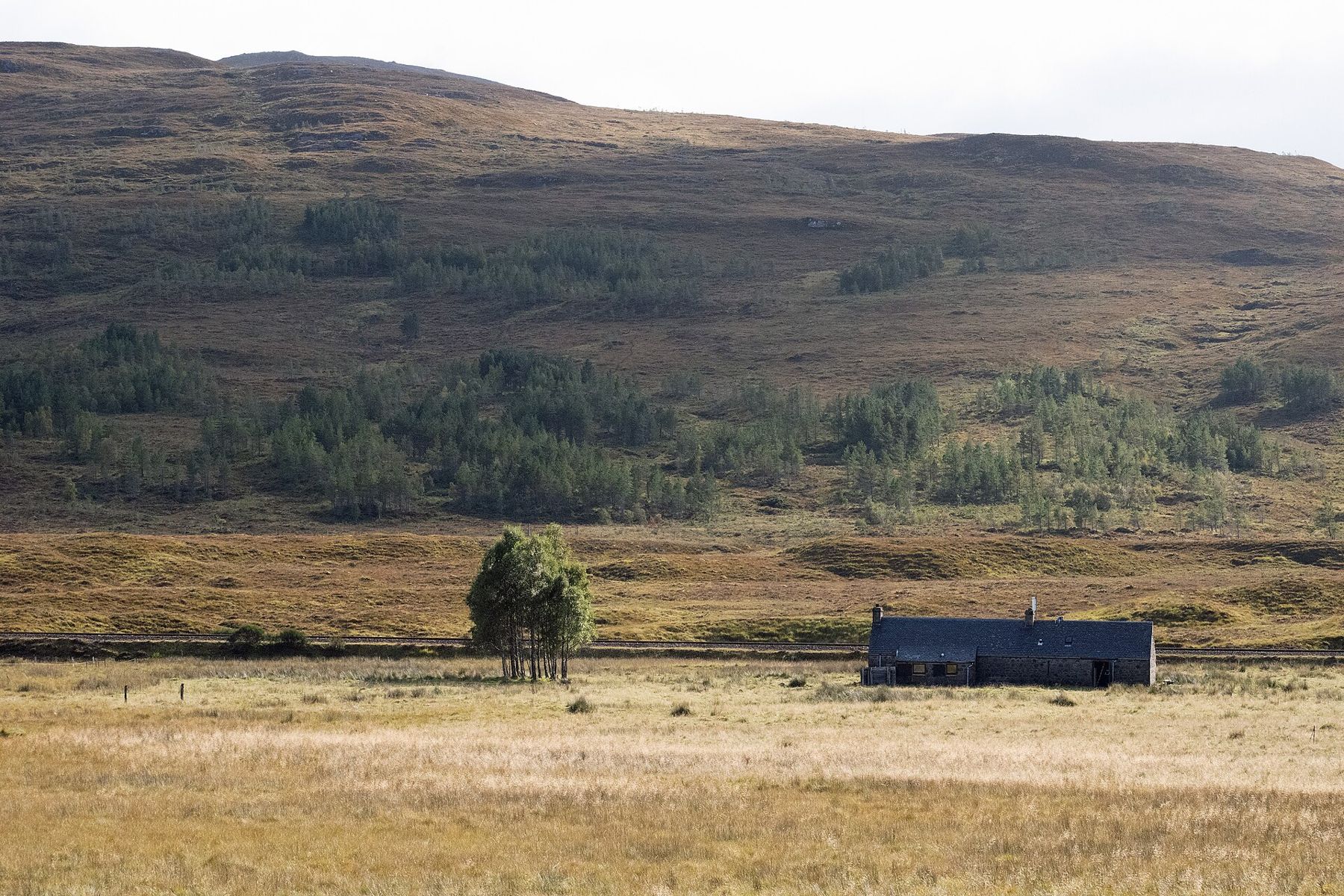
Late in the year, a sound carries across the Highland glens that is part bellow, part groan. It belongs to red deer stags, Britain's largest native land mammals, competing for the right to mate. For a few weeks each autumn the deer that spend most of the year in quiet, separate groups become the focus of a loud and sometimes violent contest. Watching it is one of the great wildlife experiences in Scotland.
What the rut is
Red deer (Cervus elaphus) live in groups divided by sex for most of the year. Stags gather in bachelor groups on their own ground; hinds and their young form separate herds. Through the summer the stags grow new antlers covered in velvet, a living skin that feeds the growing bone. By late summer the antlers harden, the velvet is rubbed off on vegetation and the stags' necks thicken with muscle.
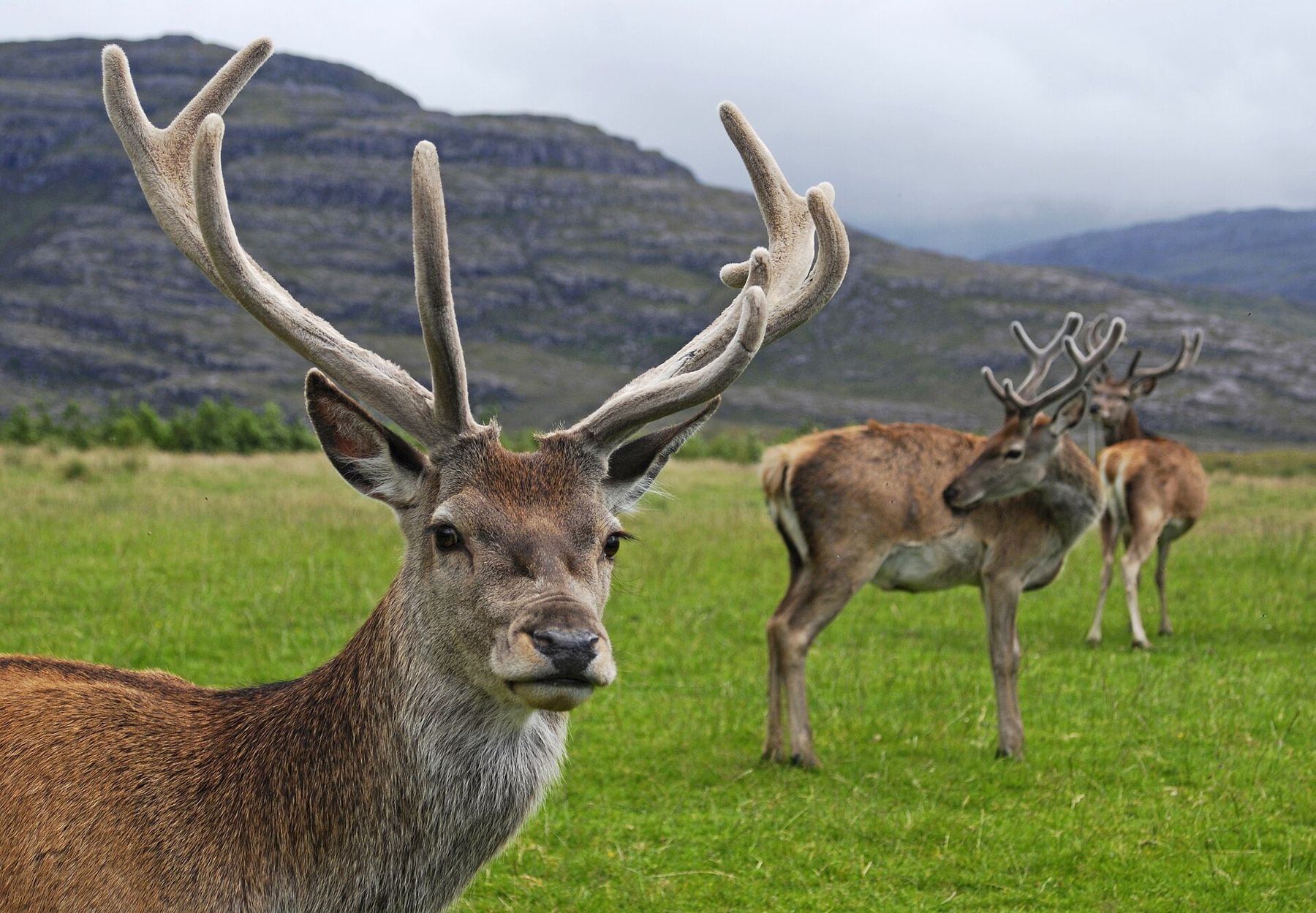
Then the stags move onto the hinds' ground. Each tries to hold a group of hinds against rivals, roaring to advertise his strength and stamina. The roar is honest information: a stag in poor condition cannot keep it up. Many challenges end with roaring alone. If that does not settle it, two stags may walk side by side, sizing each other up in what is called a parallel walk. Only when neither backs down do they lock antlers and push. Fights can cause serious injury, which is why most stags avoid them.
When it happens
The rut usually runs from late September into early November, with the most activity often in early to mid-October. Timing varies with place and weather, and with the condition of the deer. Activity peaks at dawn and dusk, though in the busiest days stags roar through the day and through the night.
The rut is exhausting for stags. A dominant stag barely eats while he holds his hinds, and loses a great deal of condition, which is one reason a stag rarely holds a harem for long. By the end of the rut many stags are visibly thin, and the coming winter will test them.
Hinds are not passive in all this. They move between groups, and a hind may leave one stag's harem for another's. Younger stags hang around the edges of a harem, waiting for a chance to slip in while the master stag is busy seeing off a rival. Watch a harem for long enough and you will see a constant shuffle of tension, chases and roars, rather than a single stag holding a fixed group.
Turn the page to SeptemberAutumn colour in VermontWhere to watch
Red deer are widespread across the Highlands and islands, and the rut can be watched in many glens. Some of the best known places include the following:
- Glen Etive: a long, narrow glen off Rannoch Moor where deer often come close to the single-track road.
- Glen Torridon: dramatic mountain scenery and deer on the lower slopes.
- The Isle of Rum: a national nature reserve reached by ferry, where red deer have been studied for decades.
- The Cairngorms: large estates and open hill ground with deer on the moors.
Deer along roadsides in places like Glen Etive have learned to approach vehicles, because some visitors feed them. Do not. Feeding draws deer onto roads, where they are killed by traffic, and makes them dependent on handouts that do them no good in a hard winter.
Watching safely
A rutting stag is a large wild animal full of hormones and focused on rivals. Do not approach one, and never walk between a stag and his hinds. Watch from a distance with binoculars or a long lens, and use the landscape: a ridge, a wall or a vehicle makes a good hide. If a stag stops what he is doing and looks at you, back off.
- Keep dogs on a lead or at home during the rut.
- Stay low and quiet, and avoid silhouetting yourself on the skyline.
- Wear muted colours and move slowly; deer react to movement more than shape.
- No drones; they stress the deer and are often restricted on reserves.
Scotland has broad public access rights to most land, set out in the Scottish Outdoor Access Code, which asks you to act responsibly. In autumn many estates manage deer by stalking, and parts of the hill may be busy with stalking parties. Estates often publish information on where and when stalking takes place; check it, and follow any local advice on routes.
Practical notes
Highland weather in October can bring sun, rain, gales and early snow in a single day. Days are shortening fast, and dawn and dusk, the best times to watch, are cold. Bring waterproof clothing, warm layers, a hat and gloves, and sturdy boots for wet ground. Midges are usually fading by October, though a mild, still evening can still bring them out.
If you go to Rum, check ferry times and how they fit with your plans, since sailings are limited and weather can cancel them. Facilities on the island are basic. Roads in the glens are often single-track, with passing places; use them courteously and never park in them.
The rut in the calendar
The rut is part of a wider autumn turn in the northern hemisphere. Across the Atlantic, autumn colour in Vermont reaches its peak in the same weeks. In Wales, the seabird colonies are empty by now; the puffins that crowd Skomer Island in early summer have long since gone to sea. The rut belongs to the season of shortening days, when stags spend everything they have built up through the summer for a few weeks of contest.