Summer · Tortuguero
Green turtles nesting at Tortuguero
On Costa Rica's Caribbean coast, female green turtles haul out of the surf at night to dig their nests. A guide to the season, the guided beach walks and the canals behind them.
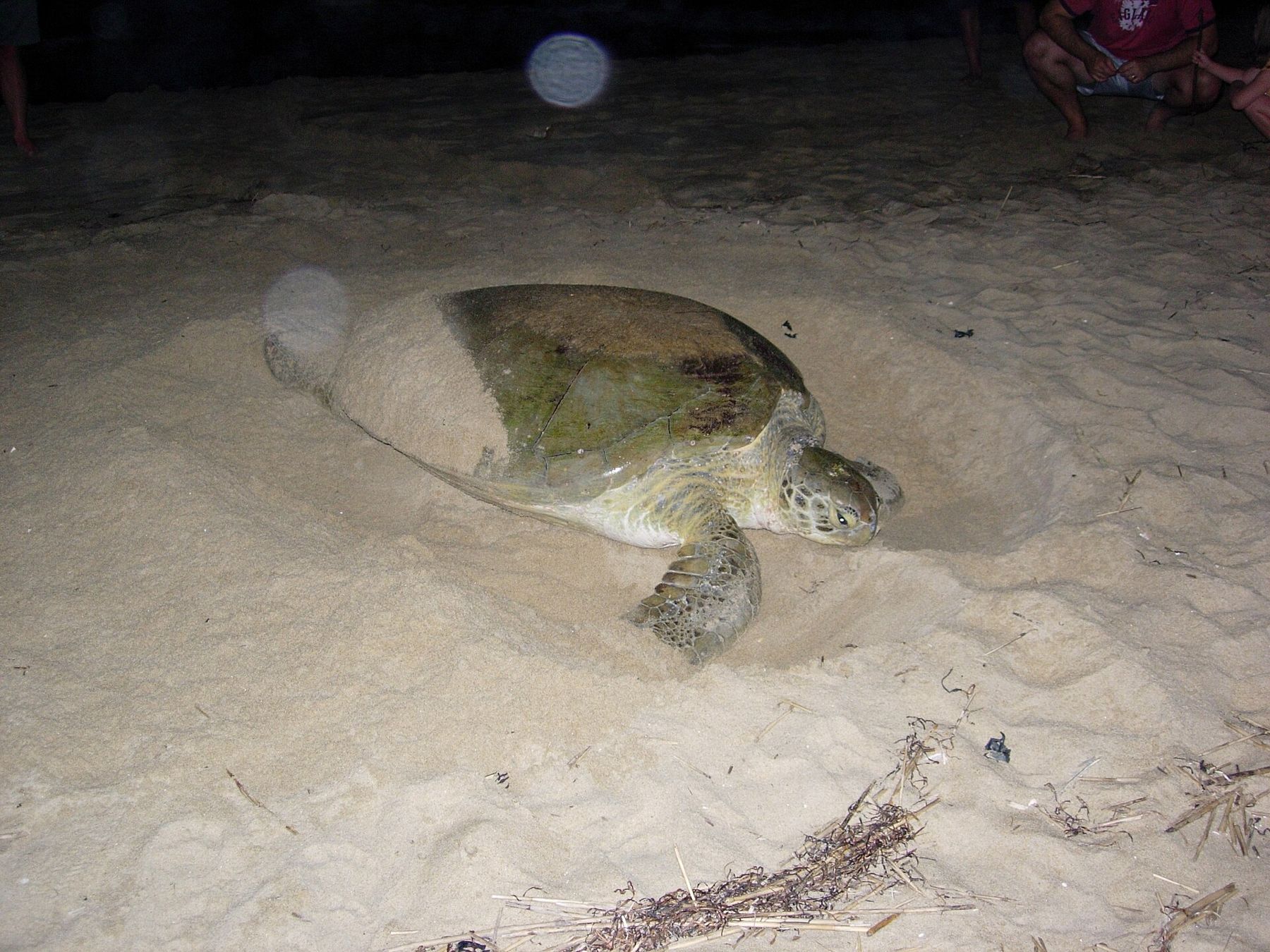
Tortuguero sits on a long, straight strip of black sand on the Caribbean coast of northeastern Costa Rica. Behind the beach lies a maze of canals, lagoons and swamp forest, and behind that the mainland. There is no road into the village. You arrive by boat or small plane, and for several months each year the reason most people come is what happens on the beach after dark: green turtles coming ashore to nest.
Tortuguero National Park protects one of the most important green turtle nesting beaches in the western Caribbean, and long-term monitoring here has followed the population for decades. The work has shown a recovery from the heavy hunting of turtles and eggs in the past, which is one reason the beach is now managed so carefully at night.
The nesting season
Green turtles (Chelonia mydas) nest at Tortuguero mainly from about July to October, with the busiest weeks often in August. Leatherbacks nest here earlier in the year, in smaller numbers, and hawksbills turn up occasionally. Females do not nest every year; they usually return at intervals of two or more years, and in a nesting year a single female may come ashore several times, roughly two weeks apart, to lay separate clutches.
Numbers vary from night to night and year to year. Moon, tide, rain and sea conditions all play a part, and a quiet night is always possible. Hatchlings emerge after roughly two months in the sand, so late in the season you may see small turtles scrambling towards the surf, usually at night or in the cool of early morning.
What happens on the beach
A female leaves the surf and hauls herself up the beach, leaving a broad track like a tractor tyre. Above the high-tide line she clears a shallow pit with her front flippers, then digs a deep, flask-shaped egg chamber with her rear flippers, scooping sand with astonishing precision for an animal that cannot see behind her. She lays around a hundred eggs, covers them, throws sand to hide the spot and drags herself back to the sea. The whole process often takes a couple of hours.
The sex of each hatchling depends on the temperature of the sand while the eggs incubate: warmer nests produce more females, cooler ones more males. That is one reason scientists watch beach temperatures as closely as they count nests.
Green turtles take many years to reach breeding age, and the females that come ashore here are returning to the region where they themselves hatched, after years spent feeding on seagrass and algae far out across the Caribbean. Every nest on the beach is the result of a very long journey.
Turn the page to SeptemberSouthern right whales from the Hermanus cliffsThe guided night walks
The beach is closed to unaccompanied visitors at night during the season. To watch nesting you join a small group with a certified local guide, and you buy a park ticket for the walk. Trained spotters patrol the beach and radio the guides when a turtle has started to dig. Groups wait at a distance until she is laying, the stage when she is least likely to be disturbed, and then move in quietly behind her for a few minutes before withdrawing.
The rules are strict and worth taking seriously:
- No flash, no phone screens and no ordinary torches on the beach; cameras are usually not allowed at all.
- Only the guide uses a dim red light, and only when the turtle is laying.
- Wear dark clothing and closed shoes, and stay with your group.
- Keep behind the turtle, never in front of her head or between her and the sea.
Times, group sizes and ticket arrangements change, so check current details locally before you go. Rain falls often at night, and a light rain jacket in a dark colour is the most useful thing you can carry.
The canals by day
Daylight shows the other side of Tortuguero. The canals run between walls of swamp forest and palm, and a slow trip by canoe or kayak is the best way to see them. Watch for caimans on the banks, river turtles basking on logs, herons, kingfishers and anhingas, howler monkeys calling from the canopy and sloths hanging motionless high above the water.
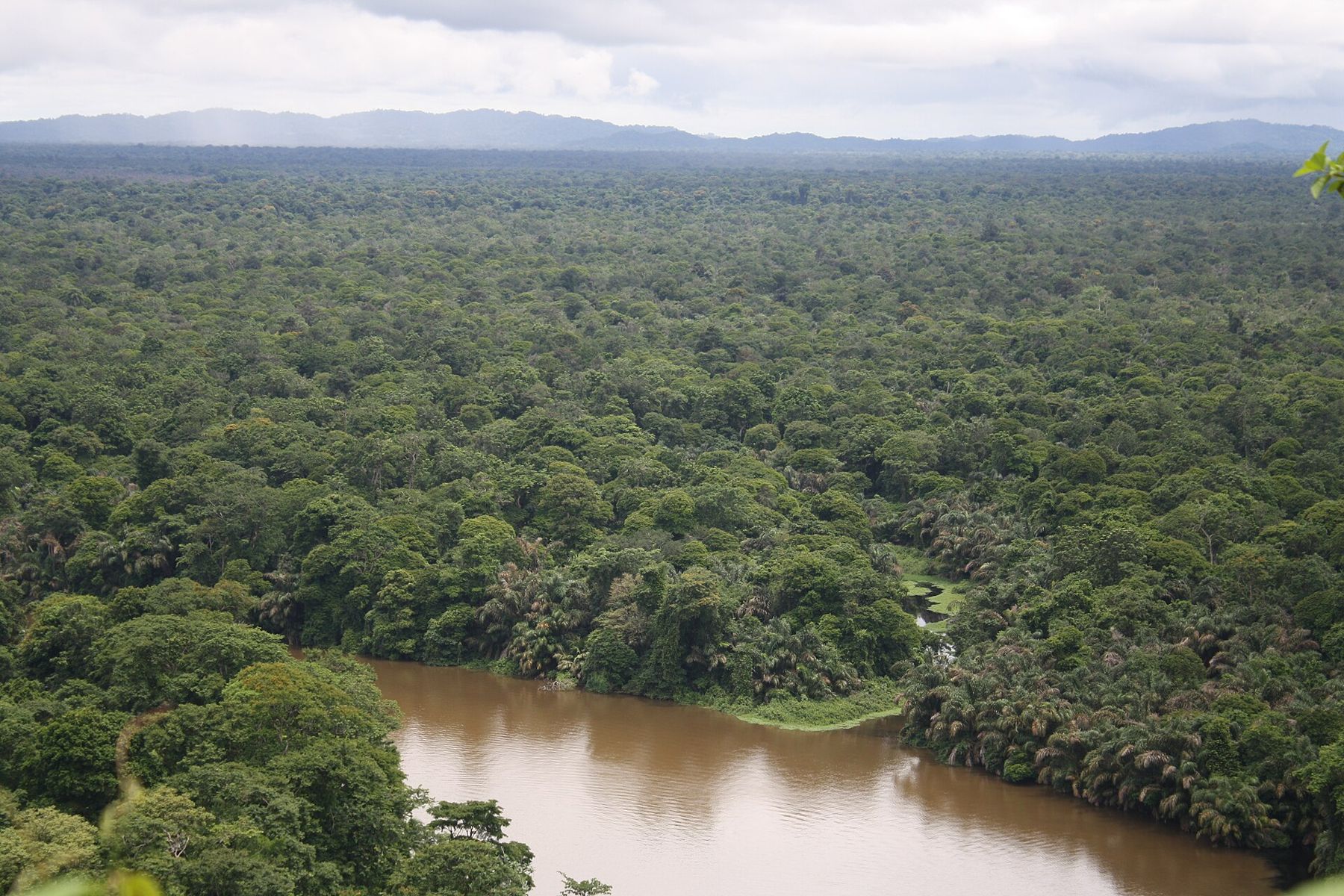
Paddling or using a quiet electric motor is far better for wildlife than a loud engine, and some canals are restricted to non-motorised boats. Early morning is the best time, before the heat and before the boats from the village fill the main channels.
Getting there and staying
Most people arrive by boat along the inland waterway, a journey that is half the experience: the channel threads through farmland, then forest, then the lagoon system behind the beach. Small planes land at an airstrip a short way from the village for those short on time. The village itself is small, and accommodation ranges from simple guesthouses in the village to lodges across the lagoon reached by boat.
Tortuguero is one of the wettest places in Costa Rica, and rain is possible in any month. Plan for heat, humidity and mosquitoes, and keep your expectations open. The turtles come when they come.
Nearby on the calendar
Turtle nesting shares the northern summer with other night-time spectacles. In the eastern United States, the synchronous fireflies in the Smokies put on their display earlier in the year, under the same rule of red light and patience. Later in the year, the red crabs of Christmas Island follow a similar pull of moon and tide as they head for the sea to spawn.