Summer · Katmai
Brown bears and salmon at Brooks Falls
Each July the sockeye salmon run up the Brooks River and the brown bears of Katmai gather at a low waterfall to meet them. A guide to timing, access and the rules of a bear town.
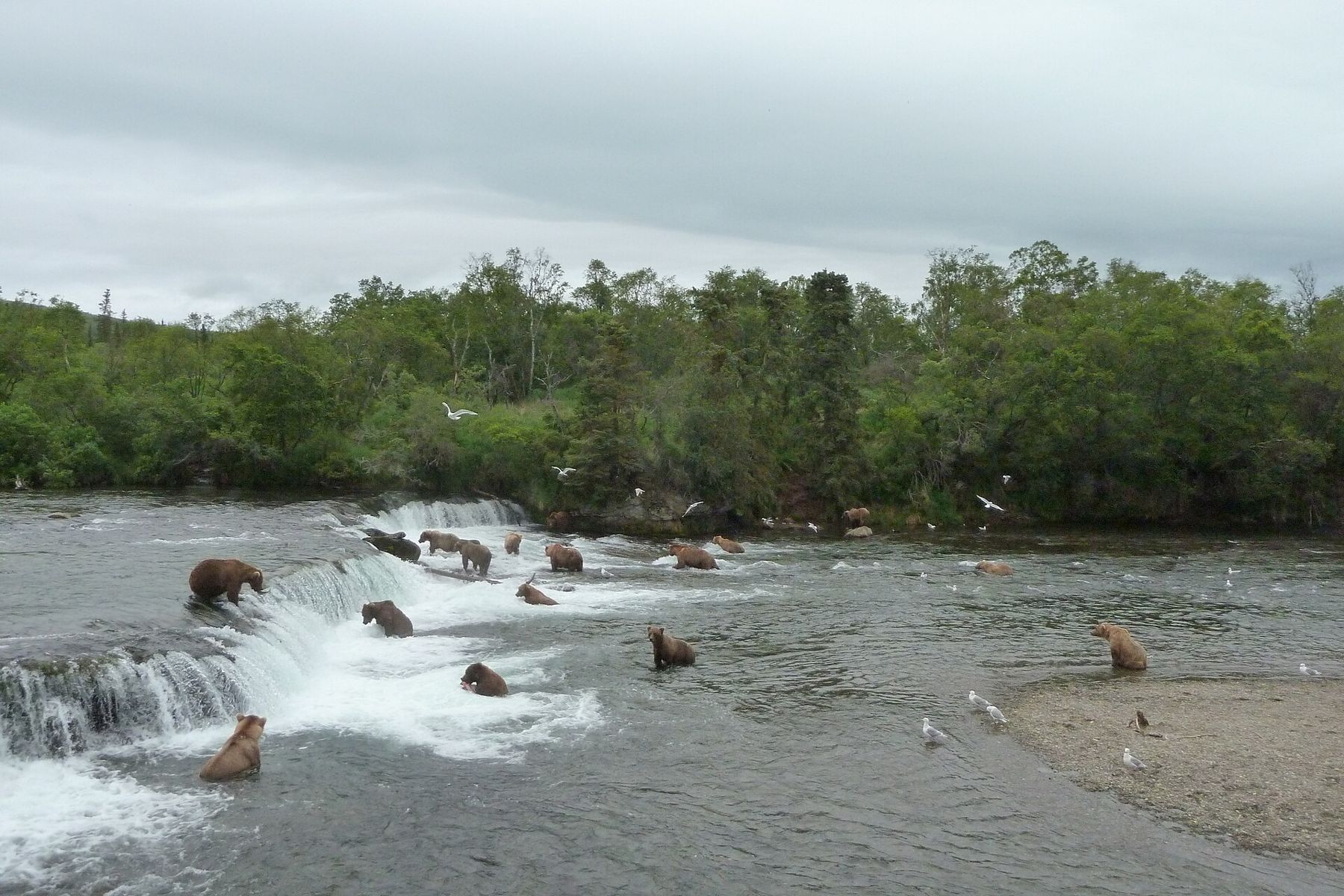
Brooks Falls is not a dramatic waterfall. It is a ledge of rock about the height of a person, stretched across the Brooks River in Katmai National Park and Preserve, on the Alaska Peninsula. For most of the year it is a quiet place. In July it becomes one of the most reliable places on earth to watch brown bears catch salmon, because the fish have to jump that ledge and the bears know exactly where they will land.
The event is simple biology repeated on a grand scale. Sockeye salmon return from the ocean to spawn in the lakes and streams where they hatched. Their route into the upper Brooks River and Lake Brooks runs over the falls. Bears coming out of a lean spring need as much fat as they can gain before winter, and a river full of oil-rich fish is the richest meal they will find all year.
Why July, and why the falls
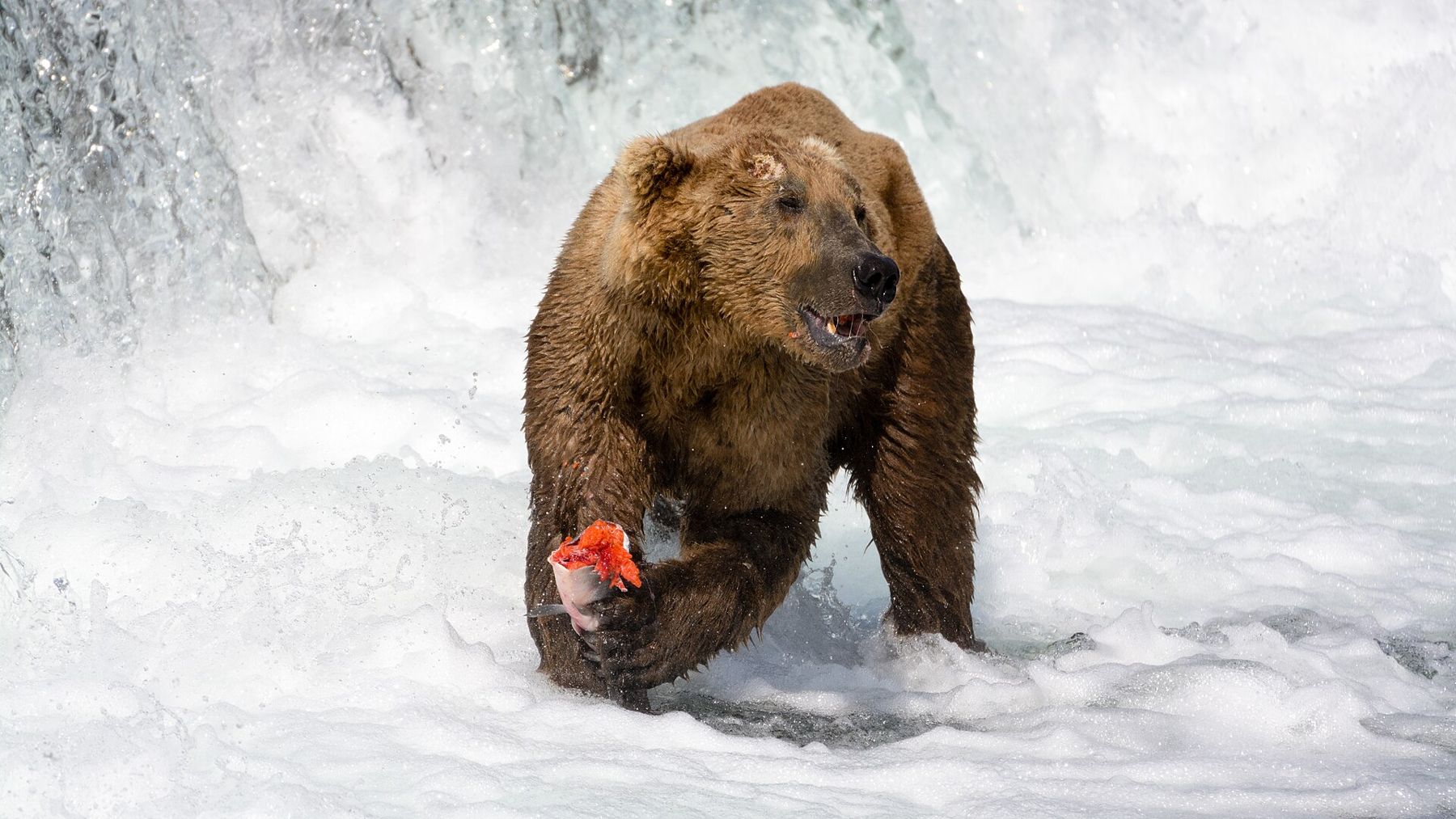
The run usually builds through late June and reaches its height in July. During those weeks the salmon stack up in the pool below the falls, resting before they try the jump, and the bears follow them. Some bears stand on the lip of the falls with their mouths open, waiting for a fish to leap into reach. Others wade in the white water just below, or dive in the deeper pool and come up with a fish pinned under a paw.
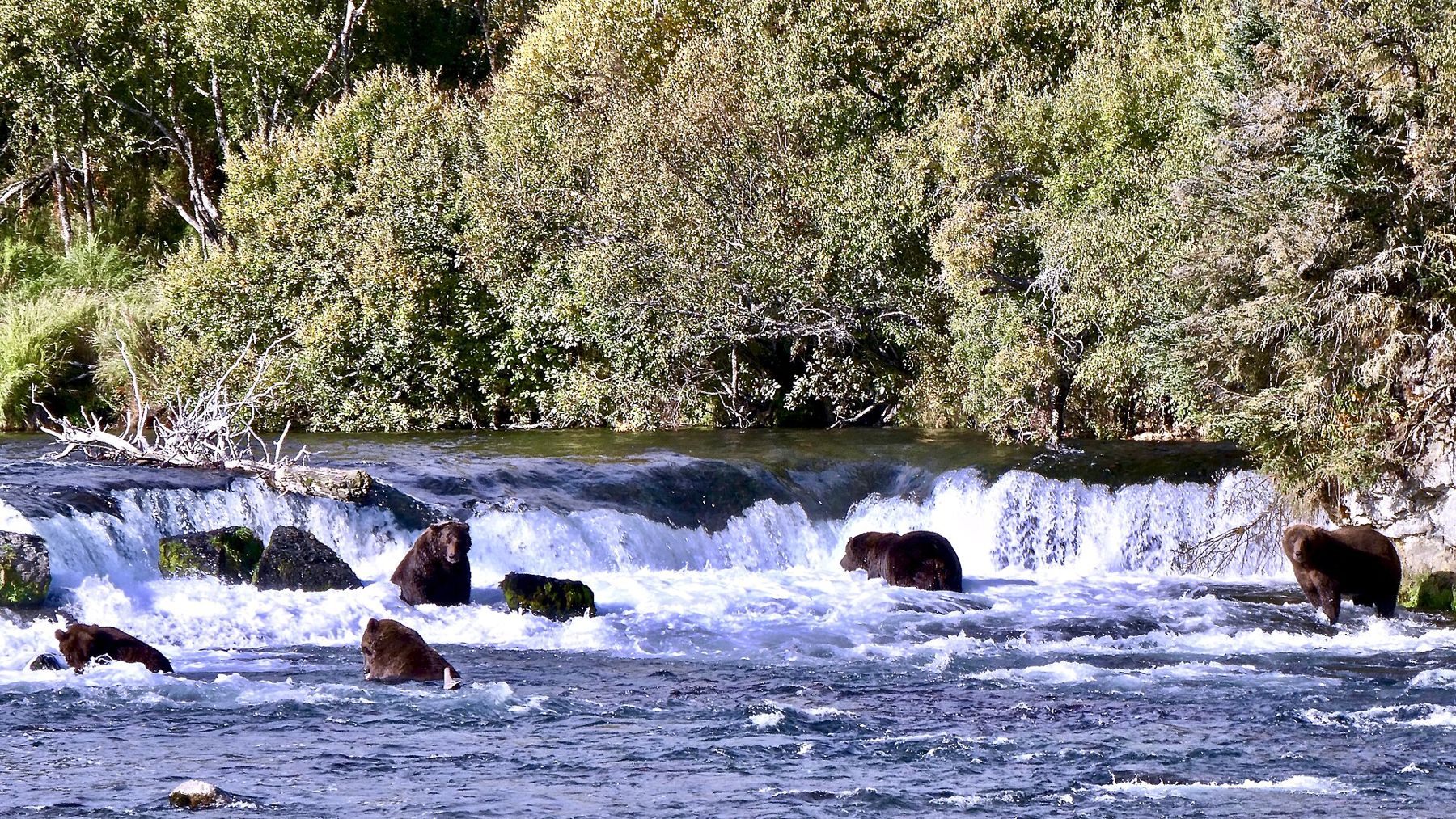
Timing is never guaranteed. A cold spring, high water or a late run can shift the peak by a week or more, and the number of bears at the falls on a given afternoon varies widely. In August many bears leave the falls to fish smaller spawning streams elsewhere in the park. In September they return to the lower Brooks River, where they feed on spent salmon that have finished spawning. September bears are visibly heavier, and the light is softer, but the dramatic leaping at the falls belongs to July.
Who gets the best spot
The falls work as a strict hierarchy. Large adult males claim the most productive fishing positions, and other bears give way to them or wait for a gap. Subadults, young bears recently on their own, tend to hang back at the edges, watching. Females with cubs often avoid the falls entirely when big males are present, because males can be a danger to cubs, and they fish the riffles further downstream instead. Spend an hour at the platform and you start to read the posture: a lowered head, a turned shoulder, a bear quietly yielding its place.
Getting to Brooks Camp
There are no roads into this part of Katmai. Most visitors arrive by floatplane, landing on Naknek Lake beside Brooks Camp, and many flights route through the small town of King Salmon, which itself is reached by scheduled flights from Anchorage. Day trips by floatplane are common; overnight stays are possible at the campground or the limited lodging in the camp, both of which tend to fill far in advance and may be allocated by reservation or lottery. Arrangements, fees and booking windows change, so check current details with the park before you plan.
Weather is the main uncertainty. Low cloud, rain and wind on the Alaska Peninsula ground floatplanes regularly, and a delayed flight can cost you a day. Build slack into any itinerary, and treat a clear afternoon at the falls as a gift rather than a given.
Turn the page to JunePuffins on Skomer IslandLife in a bear town
Every visitor arriving at Brooks Camp attends a short bear orientation from park staff before going anywhere else. It covers the rules that make it possible for people and bears to share a narrow strip of ground. The park sets a minimum distance from bears and a larger one from sows with cubs; learn the current numbers at the orientation and keep to them. Food, drinks and scented items stay inside designated buildings or food caches, never in a pack on the trail. A bear that gets human food once tends to come looking for more, and that rarely ends well for the bear.
Bears walk the same trails and beaches people do. You will often be told to wait while a bear passes, or to turn back the way you came. The bridge across the river can close temporarily when bears are near it. None of this is unusual here, and the safest response is always the patient one.
The viewing platforms
An elevated boardwalk leads through the forest to the falls platform, which looks straight across at the ledge from a short distance. Other platforms overlook the riffles below the falls and the mouth of the river near the lake. At the height of the season the falls platform can only hold a limited number of people at once, so a waiting list and a time limit are often in force. Use the wait well: the lower platforms are quieter and often show more varied behaviour, such as cubs playing in the shallows or a bear snorkelling with its face in the water.
Spend an hour at the platform and you start to read the posture: a lowered head, a turned shoulder, a bear quietly yielding its place.
A volcanic backdrop
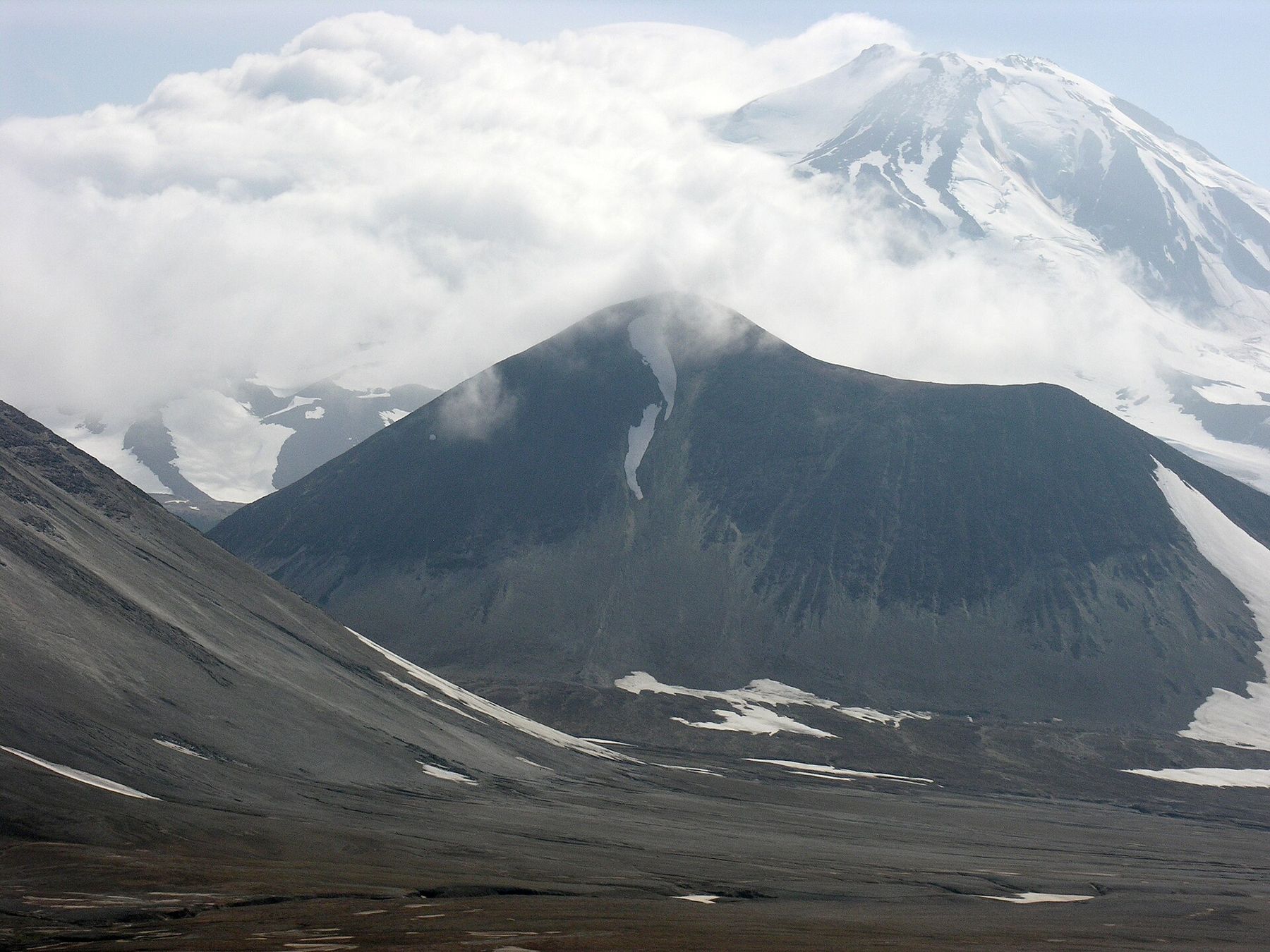
Katmai was protected first for its volcanoes, not its bears. In 1912 the Novarupta eruption, one of the largest of the twentieth century, buried a nearby valley in ash and pumice. The summit of Mount Katmai collapsed into a caldera that later filled with a crater lake. The ash-filled valley, known as the Valley of Ten Thousand Smokes for the steaming vents that once covered it, lies at the end of a long road from Brooks Camp, and some visitors combine a day there with time at the falls when access allows.
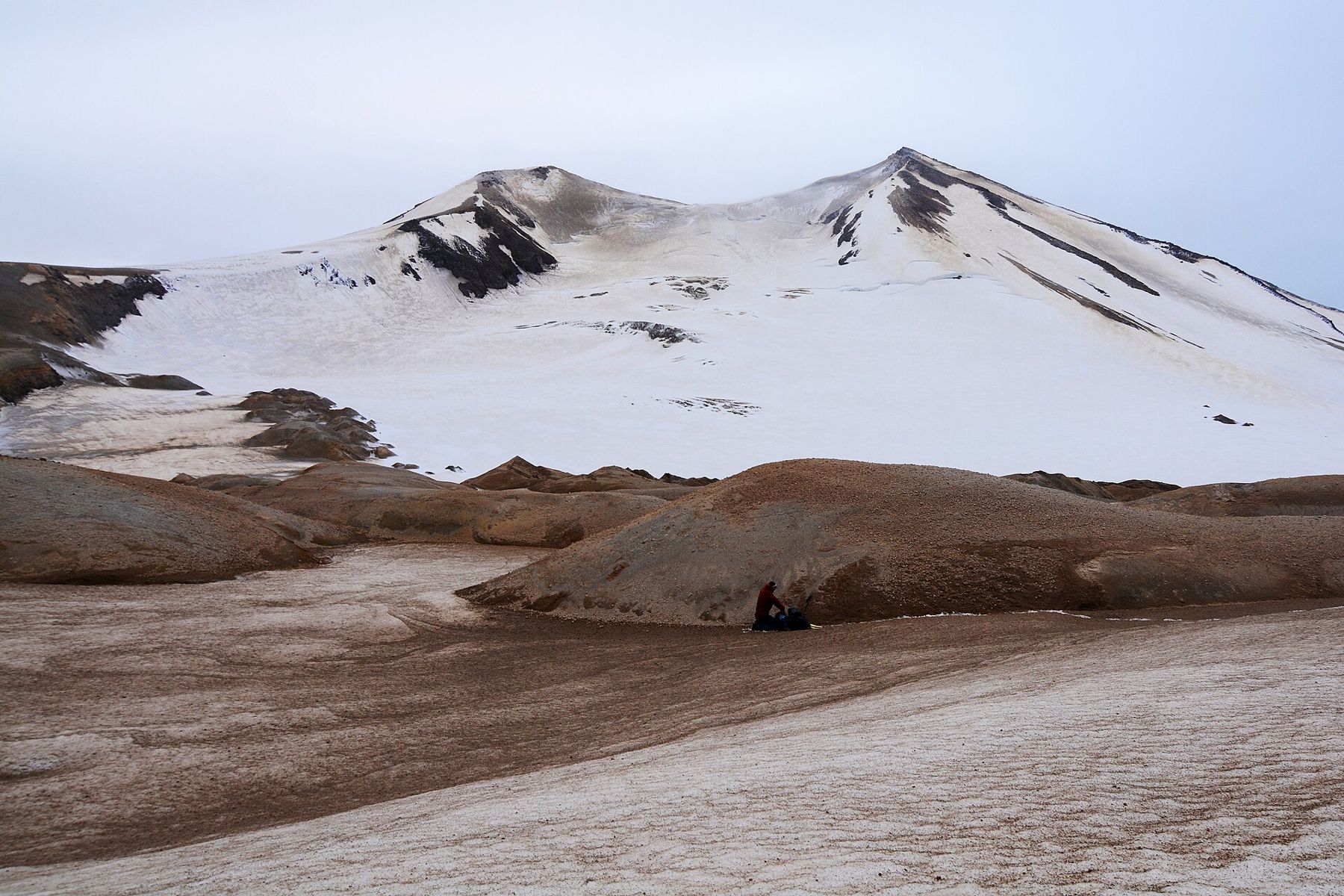
The wider park is a landscape of volcanoes, glaciers and tundra, with high passes between the peaks. Weather moves fast across it and rarely stays settled for long, which is part of why the bears and salmon here remain so untouched.
Planning your days at the falls
Light changes everything at Brooks Falls. Morning and evening give lower angles and warmer colour, while midday can flatten the scene. Long lenses help, but so do binoculars, and many of the best moments are better watched than photographed. Keep shutter noise and voices low on the platform. Bears are used to people here, but a quiet platform is fair to them and to everyone else waiting their turn.
- Pack for rain and cold even in July: waterproof shell, warm mid-layer, hat and gloves.
- Bring food you can store in the designated caches, and eat only where it is allowed.
- Carry a small dry bag for camera gear on the floatplane and the boardwalk.
- Expect delays. Plan a spare day if the trip matters to you.
Brooks Falls rewards the same patience the bears show. Other great gatherings follow their own rhythms, from the river crossings in the Great Migration in the Masai Mara to the calving lagoons where gray whales in the Baja lagoons gather each winter. Here the rhythm is a fish, a ledge and a bear, repeated through the long Alaskan summer evenings.