Spring · Great Smoky Mountains
Synchronous fireflies in the Smokies
For about two weeks each early summer, thousands of fireflies in the forests of the Great Smoky Mountains flash in waves, as if switched on and off together.
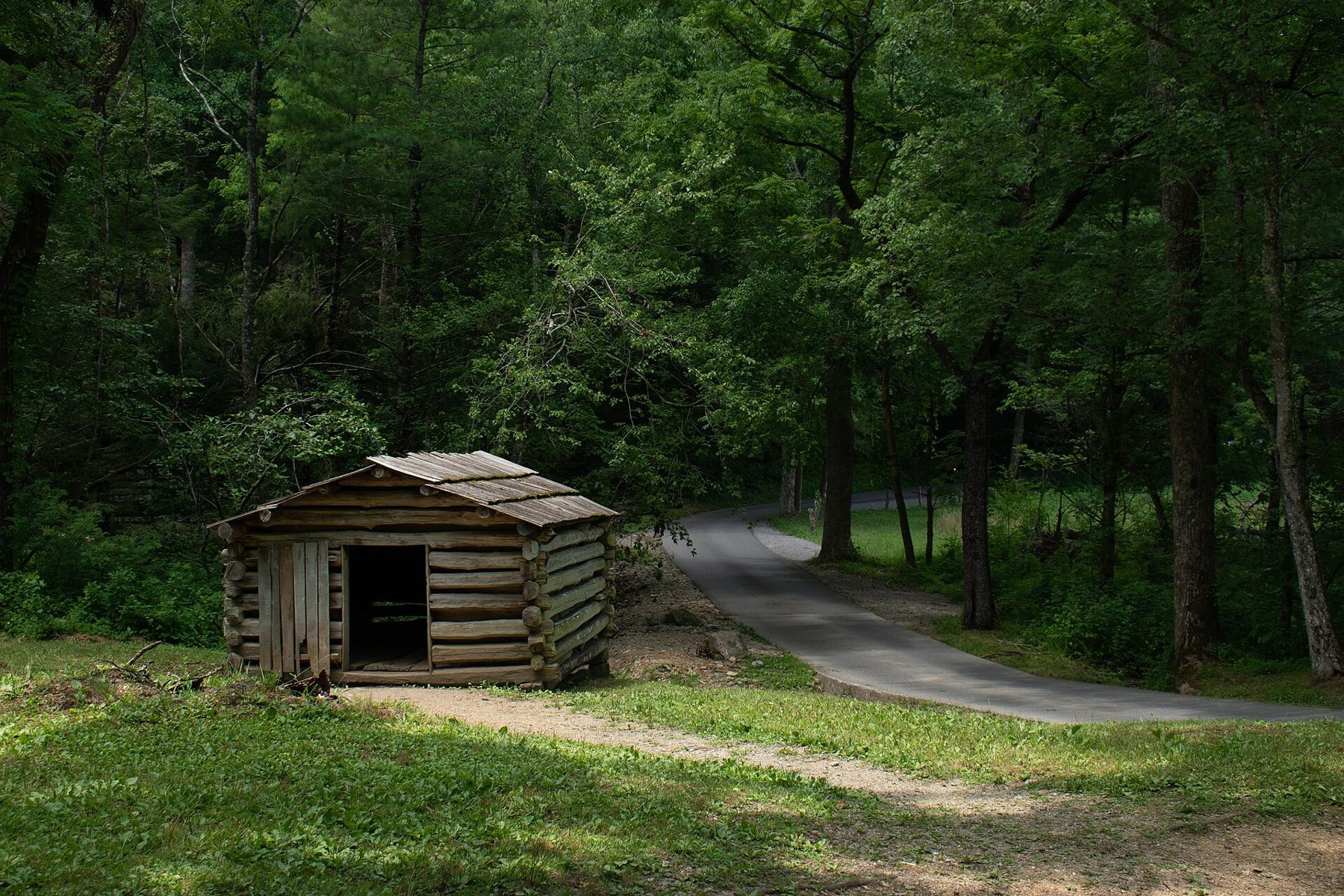
Night falls in the forest by the creek, and the first fireflies start to show low among the trees. At first the flashes seem random. Then, gradually, a pattern emerges. Bursts of flashing ripple through the forest together, five, six, seven quick pulses, followed by several seconds of complete darkness. Then the whole forest lights again.
These are synchronous fireflies, Photinus carolinus, and the Great Smoky Mountains National Park, on the border of Tennessee and North Carolina, has some of the best-known populations in North America. The display lasts only about two weeks each year, and seeing it takes some planning.
Why they flash together
Fireflies are beetles, not flies, and their light is produced by a chemical reaction in the abdomen, between a compound called luciferin and an enzyme called luciferase. It produces almost no heat. Each species has its own flash pattern, a code that lets males and females recognise each other in the dark.
In Photinus carolinus, the males that fly through the forest flash in bursts of several quick pulses, then pause for a few seconds of darkness. Nearby males fall into step with each other, and in a dense population the bursts spread across the forest in synchrony or in rolling waves. Females, mostly sitting on the leaves and ground below, answer with their own flashes during the dark pause.
Why the males synchronise is still debated. One idea is that the shared dark pause makes it easier for males to see the females' replies, and easier for females to pick out their own species against a background of other fireflies. Whatever the reason, the effect in a dense population is striking.
A short adult life
What you see is the last stage of a long life cycle. Firefly larvae live in the soil and leaf litter for a year or two, feeding on small invertebrates such as snails and worms. The adults emerge in early summer and live for only a few weeks, during which they mate, lay eggs and die. The display depends on moist, undisturbed forest floor, which is one reason the park protects these areas so carefully.
The timing depends on soil temperature through spring. In warm years the display starts earlier; in cool years, later. It usually falls somewhere between late May and mid-June, with peak nights in the middle of that window. The park forecasts the dates each spring.
Turn the page to MarchSandhill cranes on the Platte RiverElkmont and the viewing lottery
The most famous viewing area is near Elkmont, in the Tennessee side of the park, an old logging and resort community now within the park along the Little River. Because the display became so popular, access during peak nights is controlled. In recent years visitors have needed a vehicle pass allocated by a lottery, with shuttles running from a visitor centre to the viewing area. The rules, the dates, the application window and any fees change from year to year, so check the park's current arrangements well before you plan a trip.
Synchronous fireflies also occur elsewhere in the southern Appalachians, and other firefly species flash in many parts of the park through early summer. Some lack the lottery but have their own access arrangements; the same rules on light and staying on trails apply everywhere.
The rules on light
The fireflies rely on darkness to find each other. Any extra light, from torches, phone screens or camera flashes, disrupts their signals and spoils the display for everyone else watching.
- Cover torches with red cellophane or use a red light, and point it only at the ground while walking.
- Switch off all lights once you reach a viewing spot.
- Keep phone screens dark and turned away from the forest.
- No flash photography.
- Stay on the trail; females and larvae are on the ground and in the leaf litter.
- Do not catch fireflies, even briefly.
The fireflies rely on darkness to find each other.
Talk quietly or not at all. Many people describe the display as being most impressive in silence, with only the sound of the creek.
When and how to watch
The display usually begins once the forest is fully dark, which in early June is well into the evening, and can continue for a couple of hours. Arrive before dark to find a place along the trail and let your eyes adjust. Warm, humid nights after a bit of rain are often the best; cool, dry or very wet nights can be quiet. A full moon may reduce the activity.
Bring a light rain jacket, since early summer showers are common in the Smokies, and something to sit on. Insect repellent helps, but be sparing with sprays in the viewing area. Photographing the display needs a tripod and long or stacked exposures; check the current rules on tripods along the trails.
Beyond the fireflies
June is a fine month in the park in its own right. Rhododendron and mountain laurel flower along the creeks, and the forest is in full leaf. Black bears are active, and the park's rules on keeping your distance from them and storing food apply as much at night as by day.
Spring in North America brings other short, spectacular natural events, from the sandhill cranes gathering on the Platte River in March to the desert wildflowers of Anza-Borrego. Like those, the firefly display rewards anyone who arrives early, waits patiently and watches without getting in the way.