Winter · Jigokudani
The snow monkeys of Jigokudani
In a steep, steaming valley in Nagano, Japanese macaques sit in a hot spring pool while snow settles on their fur. The walk in is half the experience.
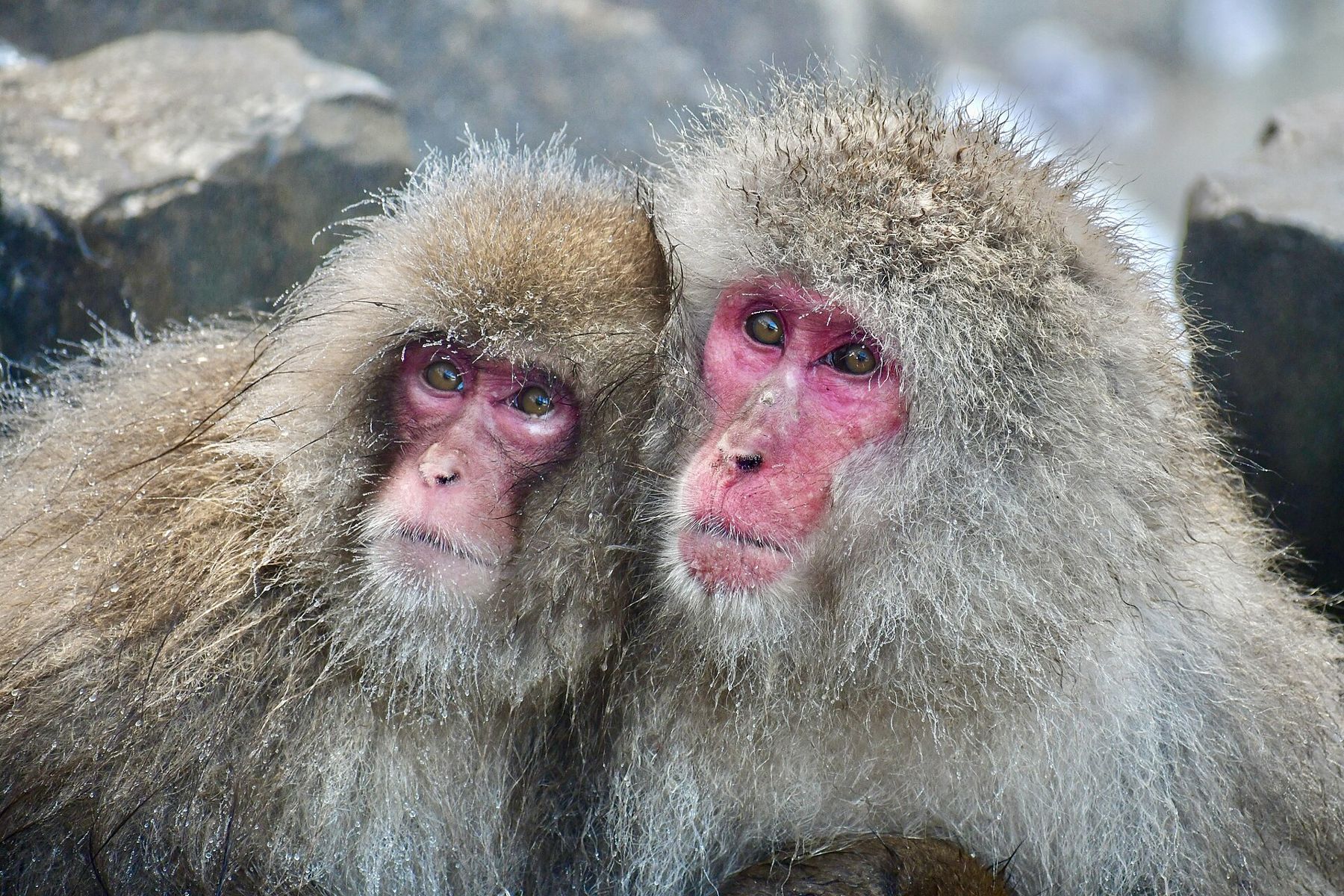
Steam drifts off a small rock pool in a forested valley. Snow lies on the rocks around it, on the branches overhead and on the heads of the monkeys sitting in the water, eyes half closed, red faces just above the surface. Around the edge, others groom each other, or sit hunched and still in the cold. Few wildlife scenes are so widely known, and fewer still are this easy to reach in winter.
The monkeys are Japanese macaques, Macaca fuscata, and the valley is Jigokudani, in the mountains of northern Nagano Prefecture. The name means roughly "hell valley", for the steam and boiling springs that rise from its cliffs.
The northernmost monkeys
Japanese macaques are the most northerly living primates apart from humans. They live across much of Japan, and in the central mountains they survive winters with deep snow and temperatures well below freezing. Thick fur grows in for winter, and the monkeys get through the lean months by eating bark, buds and whatever else they can find.
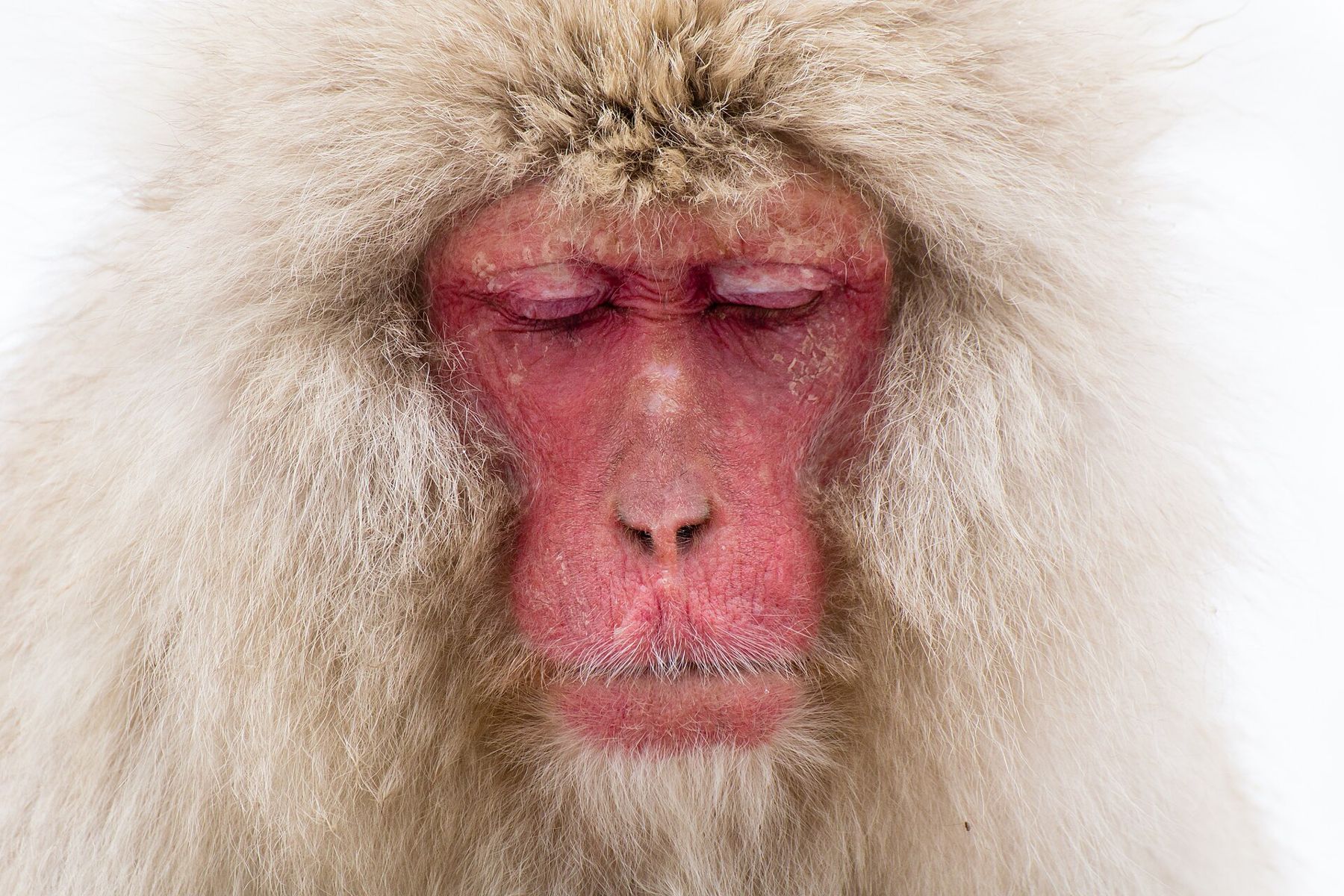
Bathing in hot springs is not a habit of the species everywhere. At Jigokudani it seems to have spread through the local troop in the 1960s, and it has been passed on since. Mostly it happens in the colder months. Research on this troop has suggested that bathing helps the monkeys conserve heat and may lower stress, and that not all of them bathe equally: social rank appears to affect who gets into the water.
Jigokudani Monkey Park
The monkeys are wild, but the troop is used to people. They come down to the valley floor and the bathing pool partly because park staff provide food there, which is why sightings are so reliable. The pool and the area around it make up Jigokudani Monkey Park, within Joshinetsu Kogen National Park, in the Yokoyu River valley above the hot spring towns of Yamanouchi.
There is an entrance fee and the park sets its own opening hours, which are shorter in winter. On rare days the monkeys do not come down, usually when the weather is mild or food is plentiful elsewhere. Check before you go.
Turn the page to SeptemberNorthern lights above TromsøThe forest walk in
No road reaches the pool. From the nearest parking and bus area, a forest trail of around two kilometres leads along the valley side, gently uphill under tall cedars, and takes most people about thirty to forty minutes each way. It is a pleasant walk and an atmospheric one in snow, with the river below and steam rising from the cliffs as you get close.
In winter the path is often packed snow and ice. Waterproof boots with good grip are needed, and slip-on ice grips make a real difference. Allow plenty of time to walk carefully, especially on the return in the afternoon when the light goes early.
The usual route from Tokyo is by train to Nagano, then a local line to Yudanaka, then a bus towards the trailhead. Timetables change seasonally, so check them before setting out.
Snow, light and timing
The macaques are present year-round, but the scene most people come for, monkeys bathing in the snow, depends on winter. Snow usually lies in the valley from around December into March, and January and February are the most dependable months for both snow and bathing. Every winter is different, and in a thin year the snow may come late or melt early.
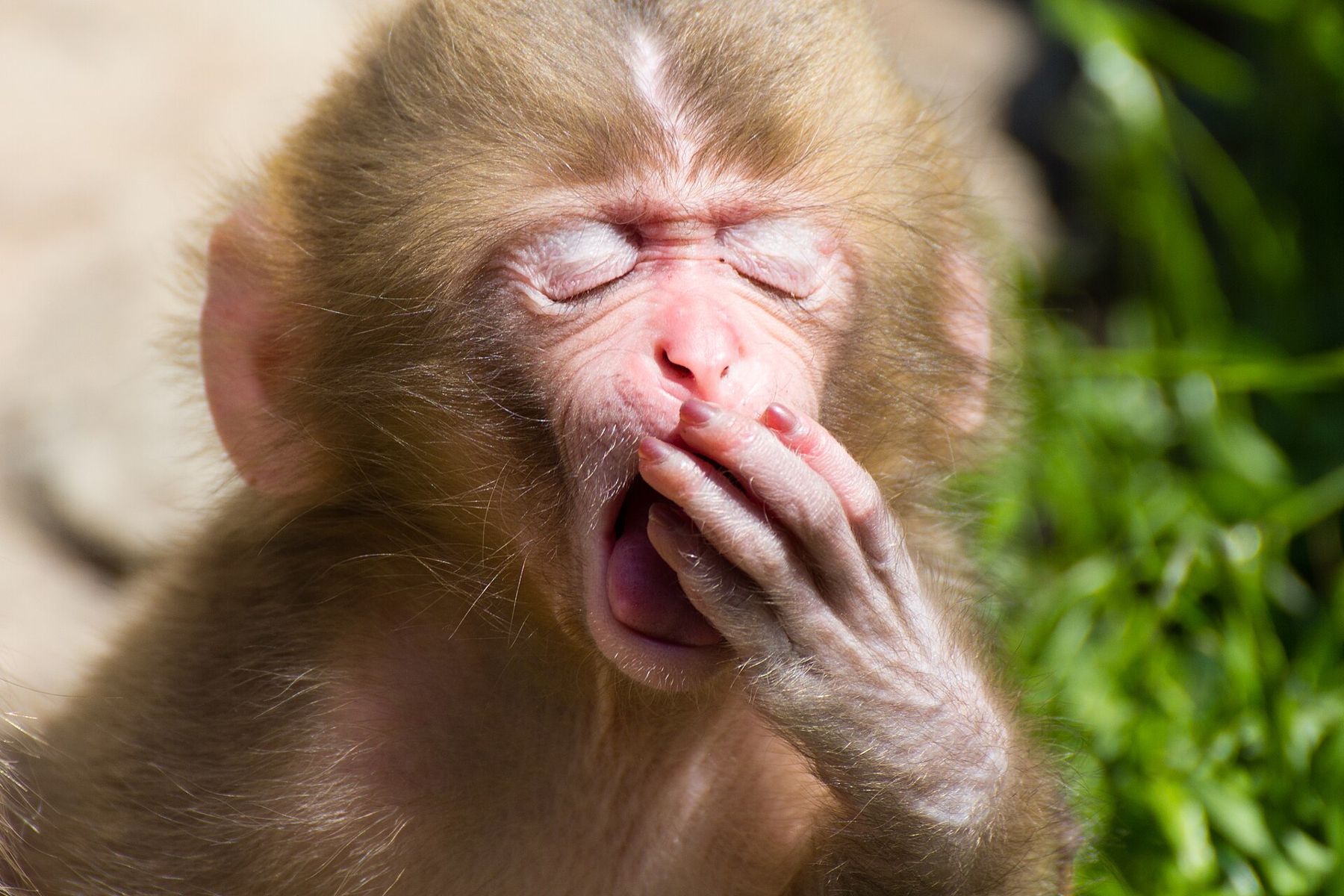
Snowfall itself, rather than just snow on the ground, gives the best pictures, with flakes settling on fur and steam blowing across the water. Weekday mornings tend to be quieter than weekends and holidays, when the small viewing area round the pool can be crowded. Spring brings infants, often born from around April onwards, and they cling to their mothers' bellies and later ride on their backs.
The rules, and why they matter
Because the monkeys walk among visitors, the rules here are strict, and staff enforce them. They protect the monkeys, and they protect you; a macaque is strong, and a frightened or provoked one can bite.
- Do not feed the monkeys, and do not carry food in your hands or in open bags. Eat before you arrive.
- Do not touch them, and do not try to make them come near you.
- Avoid staring into a monkey's eyes; macaques read a direct stare as a threat.
- Keep a polite distance and move aside if a monkey wants to pass.
- Keep your voice down, and follow the park's current rules on tripods, sticks and drones.
Leave pets at home. Keep to the paths and the viewing area, and leave the pool to the monkeys. If your journey takes in other winter wildlife, the aurora above Tromsø and the monarch colonies of Michoacán belong to the same season.
Reading the troop
Spend more than a few minutes at the pool and the scene starts to make sense. Grooming is everywhere: pairs and small groups, often related females, combing through each other's fur, which strengthens bonds within the troop. Higher-ranking animals displace lower-ranking ones from favoured spots with little more than a look. Young macaques play in the snow, chase and wrestle, and come back to their mothers when tired.
Watch for the moment a monkey gets out of the water. It shakes, its wet fur clumps, and it heads off into the cold. That, rather than the bath itself, is a reminder of how hard winter here really is.